How to Read a Property Floor Plan
If you’re looking to buy a home or invest in property in Gozo or Malta, one of the first things you’ll come across is the floor plan. At first glance, it might just look like a simple drawing, but it actually holds a lot of useful information. A property floor plan shows you how a home is laid out, how rooms connect, and how the space flows from one area to another.
Knowing how to read a floor plan helps you decide if a property fits your lifestyle and needs, even before seeing it in person. Whether you’re going through a renting or buying process, understanding the layout gives you confidence and clarity during your property search.
What is a Property Floor Plan?
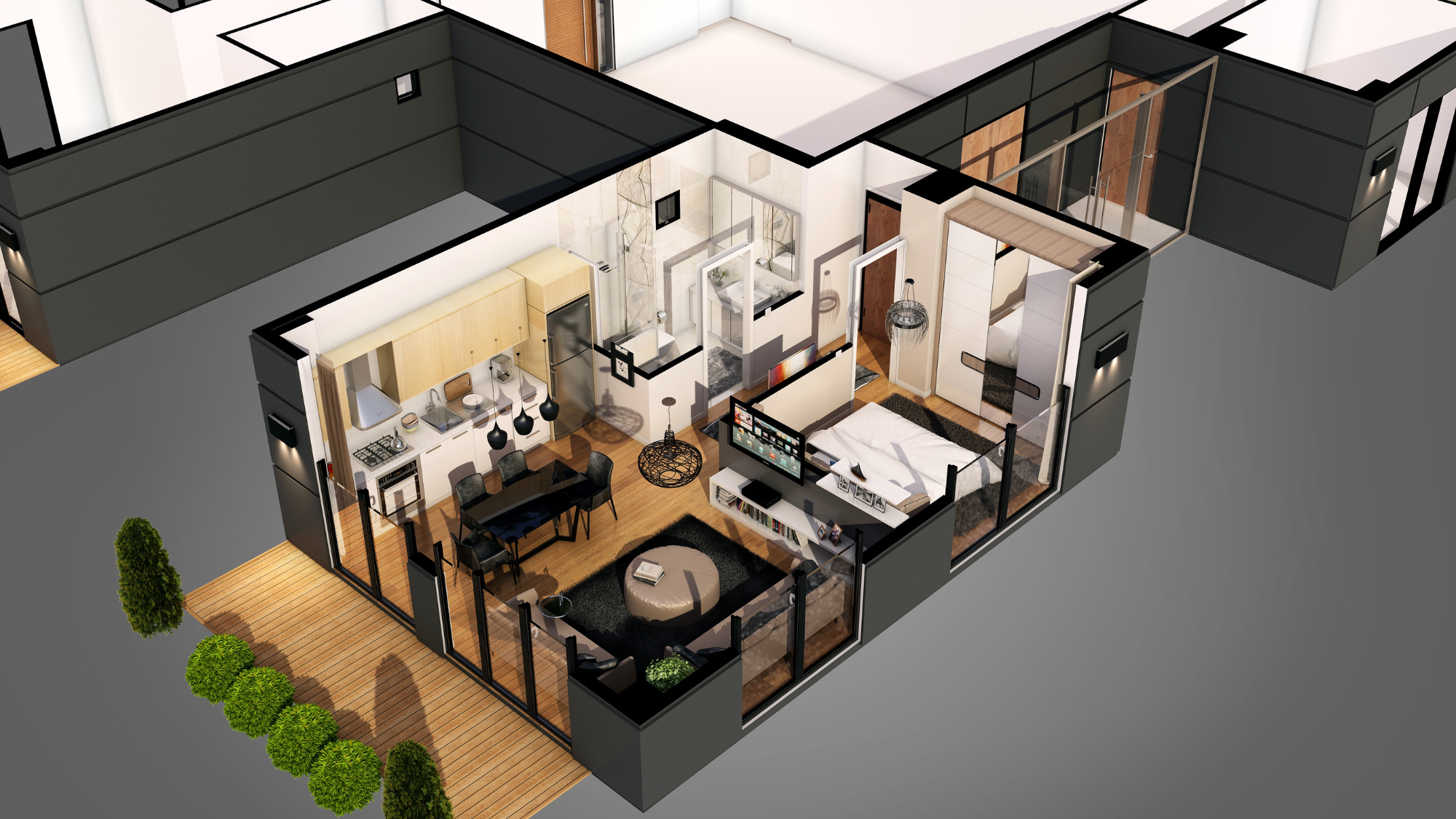
A property floor plan is a top-down drawing that shows the structure and layout of a home. It includes the shape and size of each room, the location of walls, doors, and windows, and often shows built-in features like kitchen appliances or bathroom fixtures. Some plans also include outdoor areas such as balconies or patios.
Think of it as a map of the home without the roof. It helps you understand how the rooms are positioned, how the space is divided, and how the property functions overall. This is especially useful when comparing different properties or planning how your furniture will fit.
Understanding Scale and Dimensions
One of the first things to look for in a property floor plan is the scale and the room dimensions. These help you figure out how the layout on paper compares to real-world space. Without this information, it’s hard to judge how big or small the home really is.
Scale Explained
The scale shows the ratio between the plan and the actual size of the home. You’ll often see something like 1:100 or 1:50 written on the drawing. For example, at 1:100 scale, 1 cm on the plan equals 1 metre in real life. This lets you understand how much space each room takes up and how everything fits together. A proper scale helps you visualise the size of doorways, walking space, and how much room you’ll have between pieces of furniture. Always check the scale before making assumptions about space.
Room Dimensions
Most good floor plans show the exact dimensions of each room, usually in metres or feet. This is key when thinking about whether your existing furniture will fit, or if a room is suitable for a specific purpose. A bedroom listed as 3.2m x 3.5m, for example, gives you a much clearer idea than just looking at it on the plan. Room dimensions can also help you compare properties more accurately. Two homes might have the same total area, but very different room layouts.
Total Floor Area
Some floor plans include the total internal area of the home. This can be listed as gross area (including the walls and sometimes even balconies), or net usable space (the actual living space inside). When comparing properties, knowing what’s included in the total square metres helps you get a fair comparison, especially with apartments or townhouses.
Structural Elements: Walls, Doors, and Windows
The structure of the home, how the walls, doors, and windows are arranged, shapes everything from how light enters to how easy the home is to live in. These elements may seem basic, but they make a big difference in how the home functions and feels.
Walls
Exterior walls are usually shown as thicker lines, while internal walls are thinner. This helps you tell which walls are structural and which are simply dividing spaces. Structural walls usually can’t be removed without major work, so it’s useful to know where they are if you’re thinking about renovating or changing the layout. Also, notice if walls create a natural flow or if they make the space feel boxed in. A well-placed wall can provide privacy, but too many can make the space feel tight.
Doors
Doors are marked by breaks in the wall, with an arc showing which way they swing open. This might seem like a small detail, but it can really impact how the room is used. A door that opens into a room can take up usable space or block furniture. Some doors are sliding (usually shown as a dashed line), which can save space in tighter areas like bathrooms or laundries. Also, pay attention to how the doors guide you through the home. Do they allow for smooth movement, or do they make the space feel awkward?
Windows
Windows are shown as thin lines along the walls. Their size and position affect how much natural light a room receives and how well it’s ventilated. A room with few or poorly placed windows might feel dark or closed in, while well-positioned windows can make a home feel bright and open. If you see large windows on a north-facing wall, for example, you can expect a lot of natural light, which is ideal in many climates. Think about privacy too; windows facing directly into a neighbour’s yard might not be ideal.
Room Layouts and Labels
The way rooms are labelled and arranged in a floor plan shows how the home is meant to be lived in. It also reveals how practical or convenient the layout will be for your day-to-day life.
Open vs. Closed Layouts
Open-plan layouts are popular because they combine the kitchen, dining, and living areas into one shared space. This makes the home feel larger and is great for families or entertaining. Closed layouts, on the other hand, offer more separation between rooms, which can be helpful for privacy or noise control. Looking at the floor plan helps you decide what style suits your needs. Some people love the flow of open-plan living, while others prefer distinct, quieter spaces.
Room Relationships
Pay attention to how rooms are connected. Is the bathroom close to the bedrooms? Is the kitchen easily accessible from the front door or garage? These small layout decisions can have a big effect on how easy and comfortable the home is to live in. Also consider if bedrooms are placed together or spread apart. That might be good for privacy, especially in shared homes or with older kids.
Room Shapes
The shape of each room affects how easy it is to use. Square or rectangular rooms are usually easiest to furnish. Narrow or oddly-shaped rooms may look big on paper but can be tricky when it comes to placing beds, sofas, or desks. Try to picture where your furniture would go. If it’s hard to imagine a usable layout, the room might not be as practical as it seems.
 Orientation and Natural Flow
The direction the home faces and how you move through it are just as important as the layout itself. Orientation affects light, warmth, and comfort, all key things that affect how enjoyable a home is to live in.
Using the Compass Rose
Look for a small arrow pointing to north on the floor plan. This shows you the home’s orientation. With this, you can figure out which rooms get the morning sun, which get the afternoon light, and where you might get shade. For example, in many regions, north-facing rooms get the best natural light during the day, perfect for living areas or outdoor spaces.
Sunlight and Energy Use
Well-positioned homes make better use of natural light and warmth. This not only makes them more comfortable to live in, but can also help lower energy costs. A living room that gets afternoon sun might feel cosy in winter, but could be too hot in summer without shading. The floor plan won’t tell you everything about heat and light, but knowing the orientation gives you a head start.
Interior Flow
Try to imagine how you’d move through the home. Do you walk straight into a living space, or is there a hallway or entryway? Can you get from the kitchen to the dining area easily? Is there a logical path from the bedrooms to the bathroom? A floor plan with good flow makes a home feel more welcoming and less cramped.
What a Floor Plan Doesn’t Show
While a property floor plan tells you a lot, it doesn’t show everything. It won’t tell you how a room feels, what the views are like, or how noisy the street is. You also won’t see the quality of materials, the ceiling height (unless noted), or how the light changes throughout the day. That’s why you should always use the floor plan along with other tools like photos, videos, and inspections. It gives you a great foundation, but it’s not the whole picture.
Why Understanding a Property Floor Plan Matters
Knowing how to read a property floor plan is a simple but powerful way to make smarter choices when buying, renting, or renovating. It helps you visualise the space, think about how it fits your lifestyle, and avoid surprises later on. From room sizes to natural light and flow, a floor plan shows you things photos often can’t. That’s why it’s such a valuable tool when comparing properties.
At Elzan Properties, we include clear, detailed floor plans with every listing, because we believe informed decisions lead to better homes. And if you ever need help reading one, our team is always happy to guide you.